Picking the right place for pickleball can quickly turn into a “we got there and…” situation—especially at public sites where court availability and setup can vary. A more reliable approach is to treat the trip as an access and on-court readiness decision: can your group start playing soon, and will the courts be ready for pickleball when you arrive?
Go to the right Syracuse court area using the Onondaga Park Dr address
This listing is tied to Onondaga Park Dr, Syracuse, NY 13207, United States. At public parks, the address matters because parks can include more than one court cluster. Without a quick alignment first, a group can end up at the right city but the wrong edge of the park. Before play starts, assign one person to confirm you’re at the court area that matches your pickup point—then the rest of the group can focus on warming up rather than searching.
Use the “Public Park Courts” category to expect shared-use conditions
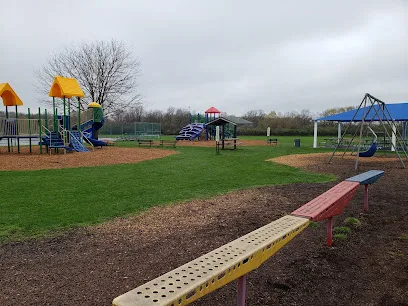
The venue is categorized as Public Park Courts, which is a useful signal that shared-use play is likely part of the experience. In practice, that often means pickleball may be available, but your session can be shaped by what else is happening around the courts. Instead of expecting one uninterrupted block, plan for variability such as rotation between groups, changes in how many players are on a given court, and shifts in spacing depending on nearby activity.
One simple way to keep the day enjoyable is to structure your first games to be flexible. Start with a shorter first round so your group can adjust if court sharing affects timing, rather than committing to a long schedule that assumes courts will be fully available immediately.
Check readiness fast: visible pickleball lines and properly set nets
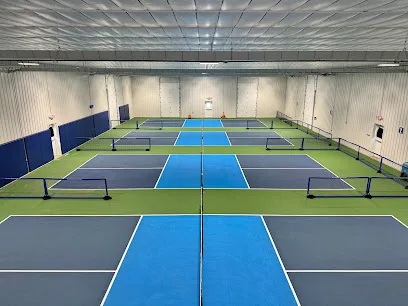
Within the first few minutes on site, do a quick court readiness scan. Look for pickleball lines that are clearly visible and consistent, and confirm that nets are set for play. Then consider the surface and overall feel for movement—if the setup doesn’t seem to support quick lateral action, it’s better to shorten the opening games and reassess than to force a longer session on a court that doesn’t play right.
If something looks off—whether that’s lines or net configuration, or players waiting for setup—treat it as a prompt to adjust your plan immediately. Early regrouping is usually easier than trying to salvage a late start after the group has already invested time.
Confirm the access model for open play on the day
The listing framing supports an open-play, pay-per-play style expectation rather than a members-only reservation setup. Even so, day-of details can vary at public venues. As you arrive (or just before your group commits to a start time), verify what “open play” means in practice for this location.
For example, focus on how players actually join. Some public sites work like first-come entry, while others use a turn-taking cueing method during busier periods. If you’re coming with a league-style group, predictability matters—so it’s worth confirming how courts turn over after a game ends. If you’re coming socially, the advantage of shared courts is that a group that’s comfortable rotating can usually adapt smoothly as play forms and reshuffles.
On-site questions that prevent common surprises
To avoid uncertainty once you’re already at the park, keep your on-site questions targeted and practical. Ask:
- Are the courts actually ready for pickleball when you arrive, or is setup needed first?
- How do players join open play—is it first-come entry, or is there a turn-taking/queueing approach?
- Do other park activities affect spacing nearby around the court area, such as families or beginners moving through the vicinity?
With those answers, your group can make a realistic plan on the spot—playing when courts are set, rotating when sharing begins, and avoiding lost time. In other words, Tennis & Pickleball Courts becomes a strong Syracuse option for open play when you anchor your visit to Onondaga Park Dr, Syracuse, NY 13207 and account for the shared-use signals behind Public Park Courts.