Choosing a pickleball court in Syracuse is rarely just a “where is it?” decision. It’s also about how the facility actually behaves during play—whether the courts feel game-ready when you arrive, whether you’ll be able to see the lines well enough for dinks, and how the park setup works if the space is used by more than one activity.
Santaro Park is listed as Public Park Courts at 4979 Velasko Rd, Syracuse, NY 13215, United States. The listing also shows a community signal of 4.4 from 42 reviewers, which is a helpful starting point when comparing options, but it’s still smart to verify conditions at the time you plan to play.
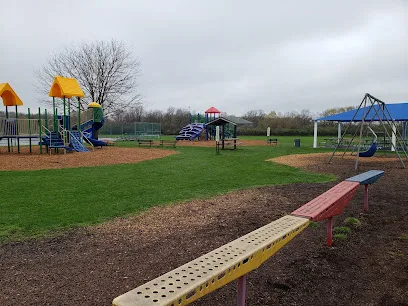
Shared-use reality: what “public park courts” can change
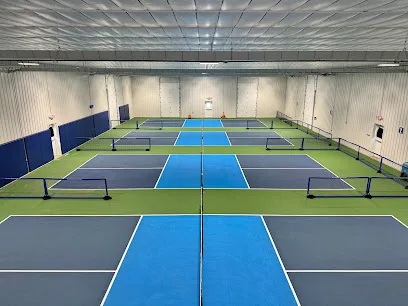
Because Santaro Park is categorized as Public Park Courts, you should expect the site may be multi-use and that pickleball setup could vary based on what’s happening around the courts. That can affect practical details like what areas are marked for play and whether nets and lines appear ready to use right away.
So instead of assuming every visit is identical, treat your first arrival as the moment to confirm the court layout that day. If you see clear playing boundaries and a workable court arrangement, that’s a good sign for smooth open-play rotations. If markings look unclear or parts of the layout seem ambiguous, the session may require more adjustment before you can start rallies.
Arrive with the goal of minimizing setup time
When you’re coordinating a group, timing matters. If you want open play that feels flexible, check whether the courts are set up in a way that allows you to start quickly. If you need consistent “court-by-court” readiness, shared public conditions can introduce delays—especially when multiple users rotate through the same areas.
Night play: use the lighting cue, then verify visibility
One reason players look at public park court options is the possibility of evening sessions. Santaro Park’s amenities signal includes lights for night play, which makes lighting an important consideration if your schedule pushes you after work.
Even with lights available, night play can feel different depending on coverage and how evenly the playing area is illuminated. A court that is “lit” in general may still have uneven visibility that affects line judgment and paddle placement.
Do a visibility check before you commit to a lineup
Once you arrive, take a minute to check whether you can clearly see the court lines and judge placement for dinks and close-to-the-net shots. If the lighting feels uneven, you may need to adjust how your group plays—such as rotating through courts more frequently, changing pace, or adapting shot selection to what’s visible.
Access model: confirm how play starts on your day
With public park courts, the biggest decision often becomes access: can you simply start open play when courts are free, or is there an approach that resembles reservation or pay-per-play behavior?
Santaro Park’s listing signals an access model associated with pay-per-play style behavior and references reservation-system language. That doesn’t replace on-site verification—it does mean your best plan is to confirm the practical path you’ll use that day, particularly if you’re planning to arrive during busier hours.
Verify what you need for entry and court use
Before you commit to your arrival plan, check the trusted public map/listing information you’re using for that day and confirm whether starting casual rotation is permitted when courts are available. If there’s any indication that reservations take priority, treat that as a key factor in how you coordinate your group schedule. When rules appear unclear, it’s worth checking with the local listing contact path referenced by the public information you’re relying on.
Does it fit your group? A realistic way to decide
Santaro Park looks like a strong option for players who want a straightforward public-courts experience for pickup-style sessions. The listing’s combination of a 4.4 from 42 reviewers community signal, its public-park courts positioning, and the note about lights for night play makes it especially relevant if convenience and evening availability matter to your group.
It can also work well when you’re coordinating a mixed-skill group and you want flexibility to keep playing as long as courts are available—so long as your arrival checks confirm that lines, nets, and visibility support the way you like to play.
Where it may fall short for structured nights
If your group needs highly consistent timing—such as for a tightly scheduled league night or a session where setup delays can disrupt the plan—public shared-use conditions can be a drawback. In those cases, you may prefer venues where setup and access rules are more predictable for structured play.
Judge Santaro Park with the listing facts, then validate on site
Use the listing facts as your starting points: 4979 Velasko Rd as the address, a 4.4 from 42 reviewers signal for community sentiment, and the Public Park Courts category for likely shared-use behavior. Then validate the key play factors when you arrive—whether nets and lines are ready, whether the lights for night play provide the visibility you need, and whether your group’s access plan matches the on-site setup expectations.
When you confirm those details up front, you’ll spend less time troubleshooting and more time playing.