Quick overview
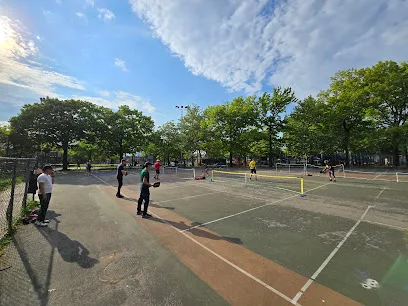
JJ Walker Pickleball Courts is a small outdoor facility in New York, NY, built around just two courts for players looking for rotation-friendly open play. It’s a practical stop for visitors who want to rally without committing to a long session, and it also works well for groups because the venue is compact and easy to watch while you wait for your turn. The courts have dedicated pickleball lines, and the venue notes lights for evening play when conditions are right.
Court setup, surface, and what to expect
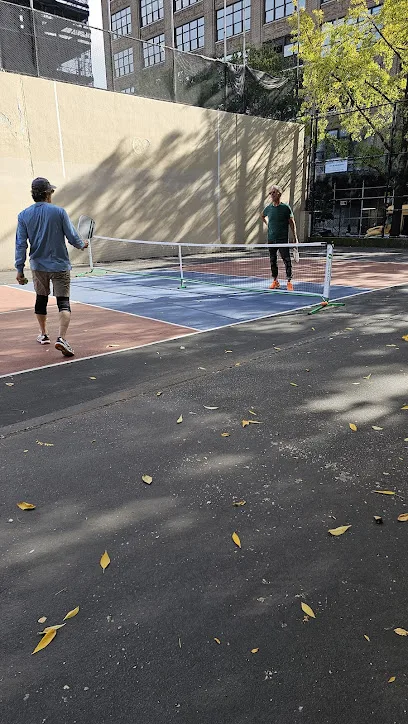
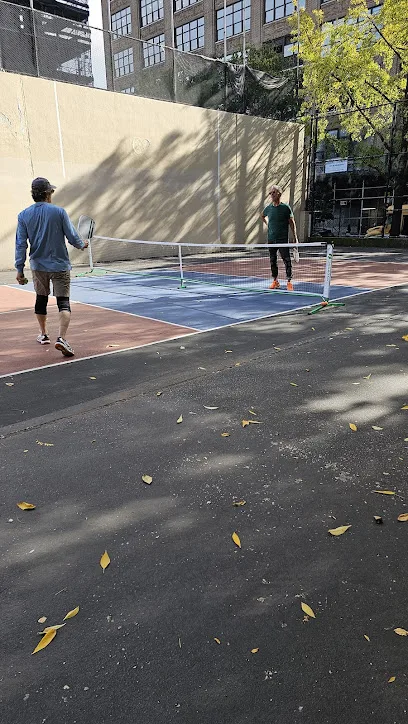
The facility is set up for pickleball only in the sense that it uses dedicated pickleball court lines rather than sharing space with tennis lines. That said, players should be ready for a more “street-court” style feel: reviews point out that the surface can be uneven, which changes how the ball bounces and can affect footing when you’re moving quickly. If you’re arriving with a new pair of shoes or you’re still learning how to read a slightly unpredictable bounce, it’s smart to start with controlled rally balls before going for full speed.
Operationally, the venue is described as having two courts, so wait times are usually tied to whether both are occupied. When you’re planning a drop-in, think in terms of a quick session rather than expecting extended uninterrupted play.
Lights and playing conditions
Evening players have an advantage here thanks to lights for night sessions. That doesn’t automatically mean every time slot will be ideal—outdoor conditions can shift quickly in New York—but lights typically help maintain visibility for rallies, especially when daylight fades. If you’re traveling from out of town, consider timing your arrival so you can warm up and settle your rhythm before both courts fill.
Because lighting can affect how the ball appears in the air, players coming off daytime sessions should give themselves a couple of slower points to confirm depth perception and spin reads.
Drop-in, reservations, and access model
JJ Walker is set up as a pay-per-play / drop-in type venue. That generally makes it more straightforward for visitors: rather than needing membership requirements, many players can plan around arrival and rotation. The venue also references a reservation system, so if you’re trying to guarantee a place during peak periods, it’s worth checking how reservation timing works before you head over.
Skill-level fit and style of play
With a small two-court footprint, the vibe is usually shaped by who shows up at that time. That can be a plus for beginners because it’s easier to find a calm court to warm up on when the facility isn’t overloaded. For developing players, the uneven surface note makes it even more important to focus on fundamentals: consistent contact, balanced stance, and quick recovery steps.
For advanced players, the two-court rotation can create shorter “think time” between points, so it helps to be ready with a simple serving plan and clear communication when asking for ball changes or rotation timing. If you notice the bounce acting differently than usual, adjust shot selection by prioritizing steadier angles rather than forcing maximum pace.
Cost, parking, and what to bring
Public details point to drop-in style play, so the most reliable cost expectation is to confirm the current rate when you arrive or through the venue’s listing information. Since the facility has free parking noted, driving is generally practical for a local session. Restroom access is also listed, which is helpful when you’re planning more than a quick warm-up.
What to bring:
- Non-slip court shoes (especially if the surface feels uneven).
- Your paddles and preferred ball type.
- Water and a small towel for quick wipe-downs.
- If you don’t have one, ask about paddle rental availability before you assume it will be offered.
If you want a smooth first visit, arrive a few minutes early, walk the court area so you can judge footing, and start with lower pace rallies until your timing matches the bounce.