CityPickle Long Island City at a glance
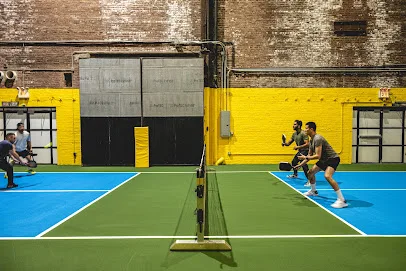
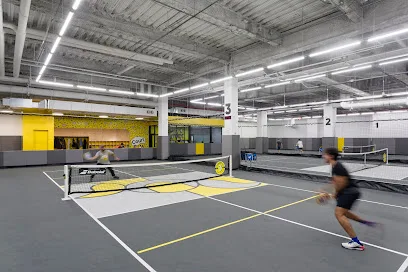
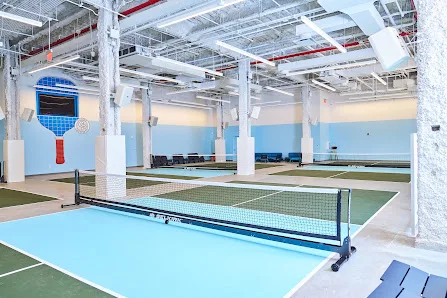
CityPickle Long Island City is a dedicated pickleball sports facility in Long Island City, New York, built for drop-in play and structured court time. The venue’s indoor space is bright and organized, and the listing details include 4 pickleball courts plus the ability to run evening sessions with lights. With dedicated pickleball lines and on-site paddle rental options, it’s be newcomer-friendly while still supporting higher-level players who want consistent court time.
For planning purposes, the facility operates on an opening schedule that starts in the early morning and keeps evening play viable. The main logistics to lock in ahead of arrival are the booking method (reservation-based) and any cost-per-play details displayed in the facility booking system.
Court setup: what the play space feels like
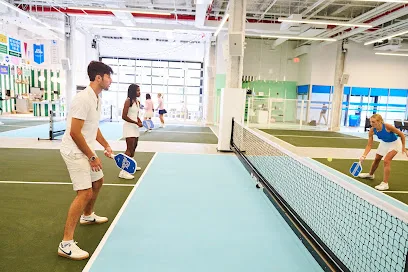
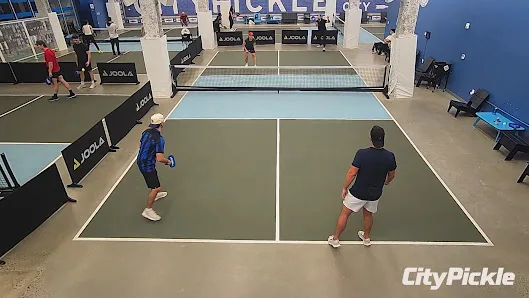
CityPickle’s indoor configuration is set up specifically for pickleball rather than a multi-sport workaround. That matters for visitors because dedicated lines typically mean fewer interruptions and clearer spacing—especially when groups rotate through courts.
Based on the facility details, players can expect 4 courts for pickleball. If a session includes multiple skill groups or leagues, the day’s flow generally looks like short, court-based rotations rather than a single continuous game. For strategy and comfort, that usually translates to quick warm-ups, efficient rotations, and a steady cadence for points—great for players who want repeatable reps.
Surface, lights, and indoor comfort
Indoor facilities remove weather variables, which is helpful for both casual visitors and tournament-minded players. The listing context emphasizes that the space is bright and airy, which tends to improve visibility for fast balls and dink exchanges. Because evening sessions are enabled by facility lighting, visitors planning after-work play can usually expect the courts to be usable once the lights kick in.
For planning on what to bring, visitors should still treat it like a typical indoor court session: standard pickleball shoes with good traction, performance paddle grip if they prefer their own, and water for mid-session breaks. If traveling with a paddle, confirm whether the venue’s rental program is needed; the listing includes paddle rental as an on-site option.
Skill-level fit: what beginners and 3.5+ players should expect
CityPickle is a place where visitors can find value whether they are brand new or already playing regularly. The venue’s model generally supports drop-in play alongside more structured formats (based on how these facilities run), which means newcomers can practice rally basics while more experienced players focus on positioning and shot quality.
Beginner visitors should look for open-court opportunities and be ready for quick games where communication and simple resets matter. For intermediate to advanced players, the key is choosing times when enough courts are available for steady rotations—this reduces downtime and keeps tempo high.
Booking and drop-in logistics
The facility listing indicates a reservation system and a pay-per-play style approach. In practice, that means visitors should plan around the booking interface rather than assuming every court is first-come, first-served.
When booking, watch for the following:
- Session times: pick a window that matches available courts and your group’s arrival time.
- Cost-per-play details: rates are typically shown in the facility booking flow and can change based on demand.
- Equipment needs: if you don’t have a paddle, confirm the rental option for that session.
If the schedule you want is fully booked, consider nearby openings or alternate time blocks—at a multi-court venue, availability can shift quickly.
Fees, parking, and what to bring
Cost details are generally tied to the facility’s reservation and pay-per-play model. Visitors should verify rates in the booking system at the time of scheduling. For convenience, the listing also notes free parking and restroom access, which helps when planning longer practice sessions or rotating out for water breaks.
What to bring is straightforward:
- Pickleball paddle (or use paddle rental)
- Indoor court shoes with traction
- Water bottle
- Appropriate attire for a full indoor session
For visitors coming from the surrounding New York area, the easiest planning approach is to treat CityPickle like a scheduled practice stop: reserve your court time, arrive a few minutes early, and use the indoor lighting and dedicated court layout to warm up efficiently.
Where it fits for a Long Island City pickleball day
CityPickle Long Island City is a strong option for players planning an indoor court session in New York. The dedicated pickleball setup and multi-court capacity make it suitable for both short drop-in games and longer practice blocks, while the reservation flow helps reduce uncertainty once you arrive.
If the goal is to get consistent rallies, choose a time window with enough court availability for a steady rotation. If the goal is skill development, pick a session where you can reset between points and maintain tempo—indoor lighting and clear court lines make that easier.