Overview: what to expect at Carl Schurz Park
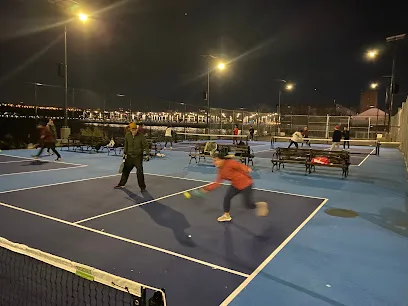
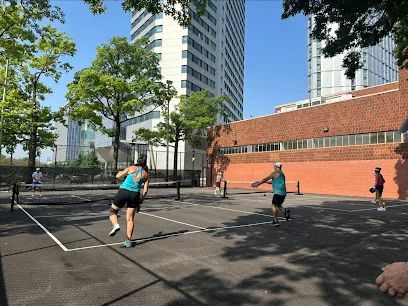
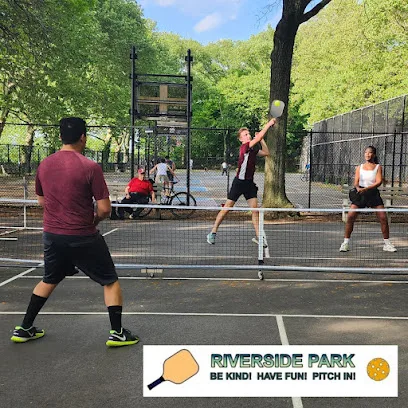
Carl Schurz Park’s pickleball courts are part of a public park setup in the Upper East Side area of New York, NY. The courts are designed for multi-use play, so players should expect a shared environment where pickleball fits alongside other park activity. For newcomers, the biggest practical takeaway is knowing when evening play is realistic and how to plan for access without a dedicated, membership-only gate.
Court configuration and playing surface
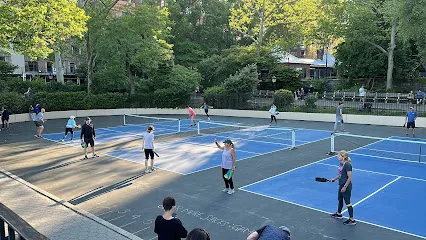
The courts at Carl Schurz Park are commonly treated as shared/multi-use pickleball space with dedicated pickleball lines available on the playing area. That means the court layout supports standard pickleball positioning, but the overall venue should be approached as a public-use location. If the courts are busy, allow extra buffer time for warm-ups and rotation so drop-in groups can keep the flow moving.
Because park courts can vary by day and maintenance cycles, checking conditions on arrival is smart—especially during humid summer weeks or after heavy rain. Players who prefer consistent net height and clean boundaries should come a few minutes early to visually confirm the playing area before committing to a match.
Lights and evening play
One of the most useful details for planning here is that lights are available for night play. Evening sessions can be a strong option in summer and early fall when daytime temperatures run high. Even with lights, it helps to bring a quality pair of athletic shoes and a paddle with reliable grip, since park lighting can make it easier to misjudge pace on slick grips.
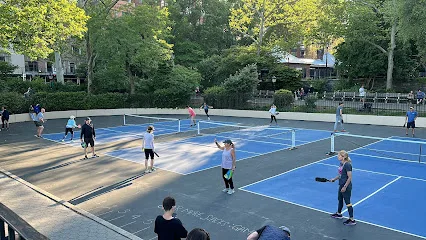
Drop-in logistics, access, and skill-level fit
Carl Schurz Park pickleball is set up for drop-in use with a pay-per-play approach rather than a private membership gate. In practice, this usually means players should expect to pay at the venue (or follow whatever pay-per-play process is posted on site) and then join open play when rotations start. For visitors unfamiliar with the area, arriving with cash/card readiness can reduce delays.
In terms of skill mix, public park courts often include a range of players. Beginners typically find it easier to get in smoothly when they approach open rotation politely, communicate clearly when they’re new to pickleball, and choose rallies that build consistency first. Intermediate and 3.0+ players can usually find competitive games if they show up ready to rotate and respect court time limits.
Cost, parking, and what to bring
Public courts are generally best planned around simple logistics: parking near the park (often limited by neighborhood traffic patterns), bringing your own paddle and balls, and arriving early enough to secure a spot when rotations begin. If free parking is offered nearby/onsite according to posted guidance, players should still plan for peak-hour congestion typical of the Upper East Side.
What to bring:
- Your own paddle and at least one backup set of balls
- Appropriate indoor/outdoor shoes with good traction
- A light towel and water bottle for warm-weather play
- Optional: a small hand sanitizer pack for quick court-to-hand transitions
- If you’re playing at night, consider bright eyewear-friendly sunglasses or a visor for comfort
Nearby practical tips for visitors
Carl Schurz Park’s central location makes it an easy stop for a quick session between errands or after a walk in the neighborhood. Outdoor play can be comfortable most of the year with weather awareness: in summer, earlier sessions reduce glare and heat; in cooler months, allow extra time for warm-up because muscles tighten up faster. If evening play is a goal, lights help, but it still pays to bring a well-worn grip and be ready for varied wind conditions that can affect lob trajectories.
Final checklist before you head over
- Expect a public, multi-use park court environment
- Plan for drop-in play and a pay-per-play style access model
- Take advantage of lights if you’re scheduling evening sessions
- Bring paddle, balls, and proper footwear
- Arrive early for the best chance at clean rotations