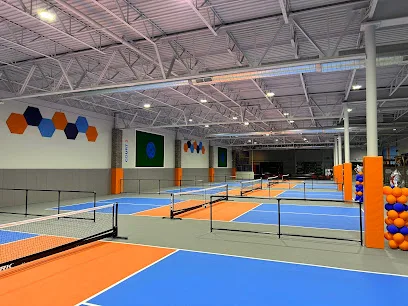
At West Albany Pocket Park, pickleball is part of the broader “multi-use park courts” picture—so the smartest way to plan isn’t to guess. It’s to decide how your group wants play to flow (open rotation vs. a more program-shaped window) and then confirm the timing that matches.
Start with the park-court reality: multi-use, so plan around coexistence
West Albany Pocket Park (90 Braintree St, Albany, NY 12205, United States) functions like many neighborhood pocket parks: it’s a place for more than one sport, and pickleball sharing can affect how quickly you find a court and how cleanly doubles can start. When you arrive, treat “open play” as a starting assumption—not a guarantee—and be ready to adjust based on what else is going on.
This matters most for groups. If you’re coming for a league-style doubles session, your plan should include a fallback: either a shorter warm-up while courts are being shared, or a plan to rotate partners if you find partial setup.
Open play vs. program timing: what “decision-ready” looks like
Instead of asking, “Is pickleball always available?” try a more useful question: Which type of session are we walking into? Public park courts often shift throughout the week based on youth activities, maintenance, or organized sessions.
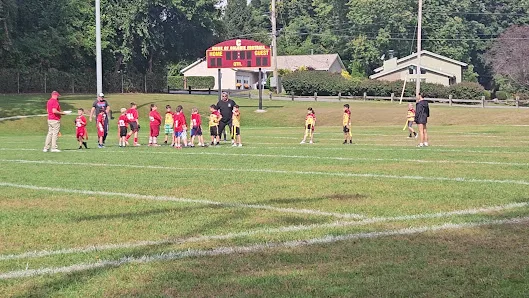
A local example of how pickleball programming can be coordinated in the Colonie area is the way courts are sometimes scheduled for youth beginner pickleball sessions (not necessarily at the pocket park itself, but tied to the broader program ecosystem). So for your visit, the decision is whether you’re fine with flexible arrival (open play) or you prefer a session that fits a known program window.
If your goal is maximum consistency for doubles, arrive a bit early and observe the court rhythm first: are players rotating freely, or is the court being held for a structured activity? Use that observation to decide whether to stay, wait, or come back at another time.
Use the local contact loop before you schedule your drive
When you need clarity, the simplest move is to contact the Town of Colonie Parks & Recreation. The listing ties this park to the Parks and Recreation directory at http://www.colonie.org/departments/parksandrec/parks, and the phone listed is +1 518-783-2760. In one quick call or message, ask how the park-court setup works on the day you want to play, including whether there are any organized sessions that could limit open play.
Night play and practical logistics: confirm what changes after sunset
Even at an outdoor park, lighting can change the entire feel of pickleball. If you’re planning evening play, don’t base your timing on “typical park behavior.” Instead, confirm whether lights are used for play at this location and whether courts are accessible during the time window you’re considering.
Bring the essentials as if you’re playing outdoors with possible multi-sport overlap: a paddle that can handle quick transitions, court shoes appropriate for park surfaces, and a plan for hydration. If you have a smaller group, be prepared to play “as courts allow” rather than insisting on a fixed rotation immediately.
What the reviews can’t tell you—and what to verify on arrival
You may see strong player sentiment for the park experience overall (the listing shows a 4.5 rating from 168 reviewers). But reviews can’t tell you what happens today: whether a neighboring activity has the court area, whether setup is complete, or whether the court lines are being used exactly as you expect for pickleball.
On arrival, do a two-minute reality check: (1) confirm the court layout you’ll be playing on, (2) watch whether players are rotating quickly or whether a structured session is in progress. Your decision is straightforward—stay if the flow matches your group’s needs, or adjust your timing if it doesn’t.
West Albany Pocket Park can be a great pickleball stop when you treat it like a decision—open play vs. program-shaped timing—then verify the day-of rhythm using the Town of Colonie contact loop and quick arrival observation at 90 Braintree St.