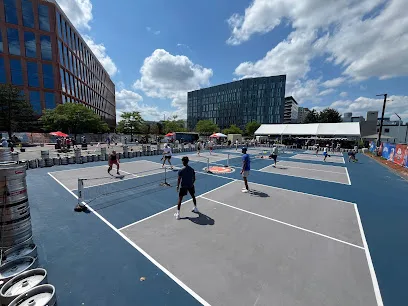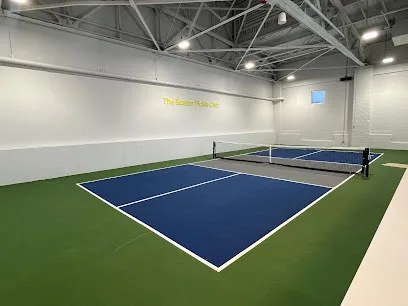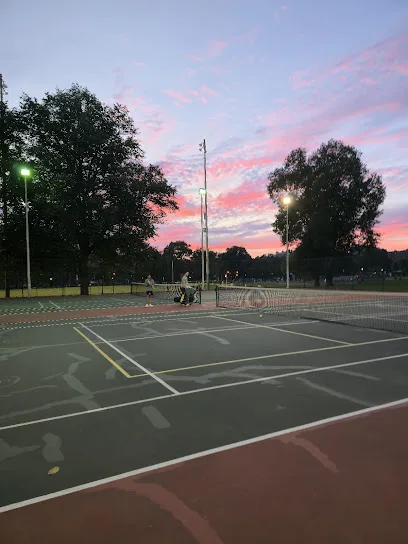
For a downtown Boston pickleball session, the biggest friction usually isn’t finding the park—it’s matching your plan to what the specific court setup supports that day. At Boston Common Tennis Court 140 (Boston Common, Boston, MA 02108), start by using the official Boston Common park page as your location anchor: https://www.boston.gov/parks/boston-common. Then make your decision based on what you can confirm on-site for your exact arrival time.
What to look for when you reach the Boston Common Tennis Court 140 area
Even when a court is located in a public park, access can still feel different depending on timing and on-site control. When you arrive, take a minute to watch how play starts near you: are players already on court, and does it look like anyone can step in and rotate immediately? Or does the area feel more like you need to coordinate your entry around what’s already happening?
This quick observation helps you choose between an “open play” style session versus a more planned “night play” approach—without overcommitting to a time window that doesn’t behave the same way every day.
Open play: confirm you can actually start rallying when you arrive
For an open play plan, your main question is simple: will you be able to get onto the court and begin rallying soon after you show up? Don’t assume that because the court is part of a city park, it will operate like a free-for-all at all hours.
On-site, look for the practical signs that matter to players: whether the court appears actively used, whether groups are cycling quickly enough for normal rotations, and whether your arrival aligns with a time when open use is feasible. If it looks like entry is effectively “managed” by what’s already in progress, adjust your expectations for how fast your group can get started.
Night play: verify the lights support clear line calls across the court
This court record explicitly notes Night Play, highlighting lights as a key factor for evening sessions. That’s a strong signal that nighttime use is supported, but the day-of experience still depends on what the lighting looks like when you’re actually standing at court.
When you’re deciding whether to stay for drills after dusk, treat visibility as your real checklist: are the lights on when you arrive, and does the playing area look evenly illuminated enough to track the ball and read lines reliably? If you rely on crisp calls—especially when you’re running fast patterns—make sure you can clearly see court markings before you commit to a longer session.
If anything about the illumination seems inconsistent—shadows, uneven brightness, or markings that don’t pop as clearly—shorten warmups and be ready to adapt your drill pace. The goal is to avoid spending the first part of your session guessing instead of playing.
Why the city park page helps, but the court decides
The official Boston Common page is most useful for confirming you’re in the right park area and understanding the general setting. But a park overview won’t tell you the pickleball-specific details that determine whether the court works for your plan—like what the access rhythm looks like when you arrive or whether night lighting is functioning in a way that supports clear rally calls.
Use the city page for context and location, then rely on what you observe at Boston Common Tennis Court 140 for the details that affect play.
Two-part decision: access flow for your time + lighting confirmation for evening
To prevent wasted time, base your decision on two concrete questions you can answer right at the court:
- What access behavior matches your arrival time? Observe whether you can join in quickly like open play, or whether the court activity suggests entry is effectively constrained by what’s already happening.
- Does the Night Play lighting give you usable visibility? Confirm lights are on and the playing area is bright enough for you to see the lines clearly while rallying.
When both answers align, your session plan is straightforward: go for an open-play style rotation if arrival looks flexible, or commit to an evening approach if the lighting and line visibility hold up once you’re at court.